
I Could Hear the Doorbell Again
For about a year I had a small, recurring failure in my domestic life: I kept missing the door. Deliveries, mostly. I'd be at my desk with a pair of sealed earbuds in, deep in a spreadsheet, and the doorbell would ring somewhere out in the real world while I sat there sealed off in my own little submarine. Then the "sorry we missed you" card. Then the trip to the depot. Then doing it all again the following week.
It wasn't just deliveries. Chương would say something to me from the next room and I'd reply to a question he hadn't asked, because I'd heard a vague human noise and guessed. The kettle would click off and I wouldn't notice until the water had gone lukewarm. I'd become slightly unreachable in my own flat, which is a strange thing to do to the people you live with.
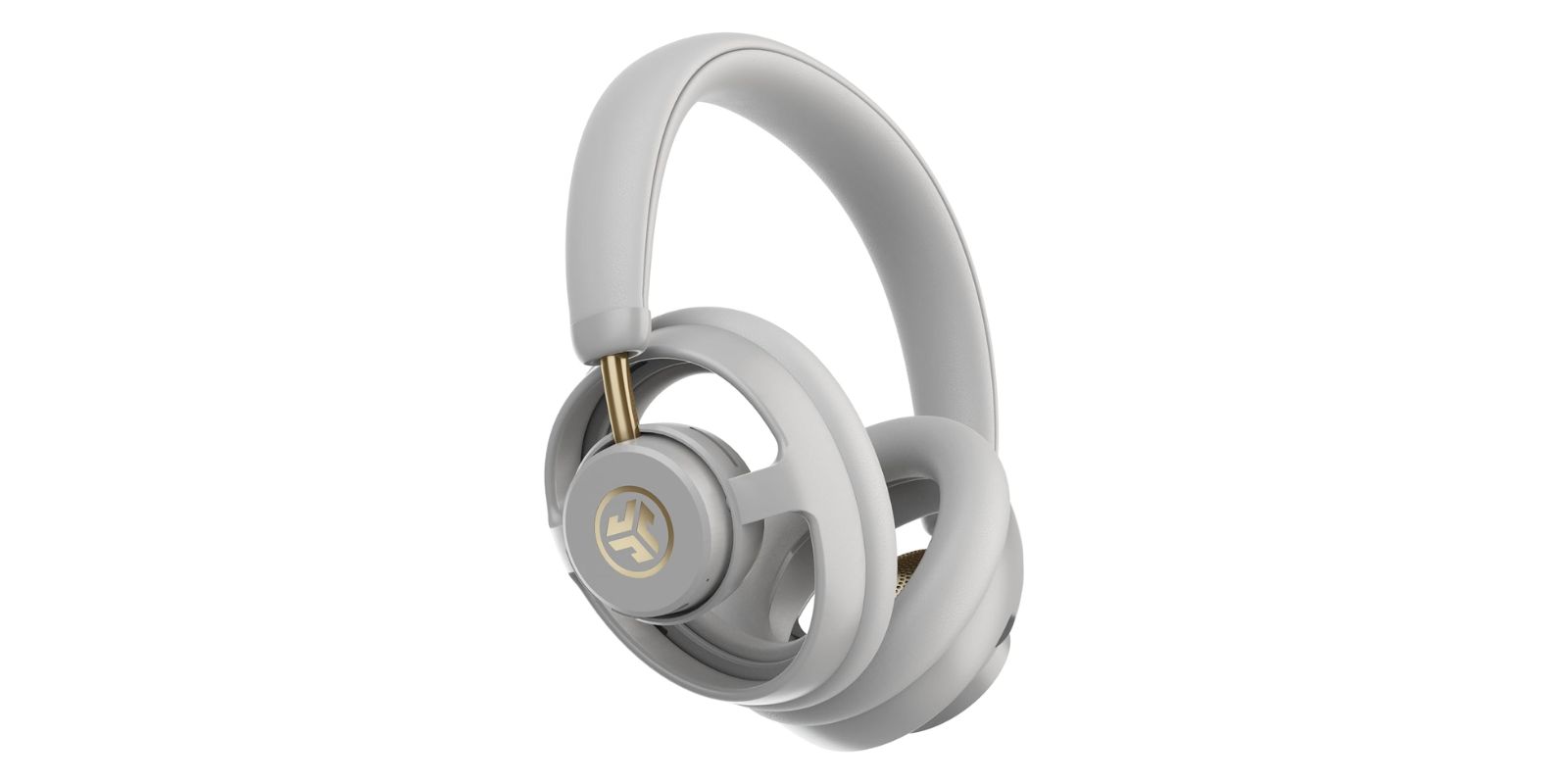
The fix, it turned out, was just changing the kind of thing I put on my ears. Open-ear, rather than in-ear. The JLab JBuds Open sit against your ears rather than plugging the canal, so the sound reaches you without shutting the rest of the world out. I can hear the doorbell now. I can hear Mickey complaining about something two rooms away, which he does loudly and often. I am, technically, a more considerate person to live with than I was last year, and I didn't have to grow as a human to get there. I just stopped sealing my ears.
Who Actually Needs This
Not everyone. If you mostly listen on noisy commutes, trains, planes, an open city street where you actually want the engine roar gone, these are the wrong thing and I'll say so again later. But if your listening happens somewhere you'd benefit from staying aware, the open-ear design earns its place.
- 🚶 Walkers and cyclists who want a podcast in one channel and traffic in the other
- 🏡 People who work from home and need to hear the door, the kettle, a person speaking to them
- 🗣️ Anyone in an open-plan office who still wants to register when a colleague says their name
- 🔋 Long-day listeners who hate the mid-afternoon "battery low" chirp
What It Gets You
The awareness, which is the whole point
The open design means ambient sound just comes through. There's no transparency mode to switch on, no setting to fiddle with, it's simply how they work. You hear your music and you hear the room. After years of in-ear buds it felt almost rude at first, like I'd left a window open, and then it felt like the obvious way to listen at home.
Battery that outlasts the day
JLab quote 24+ hours of total playtime. In practice that means I stopped thinking about charging them, which is the real test. They go a full working day and then the evening, and I top them up roughly when I remember rather than when I'm forced to.
Two devices at once
Bluetooth multipoint pairs to two devices simultaneously, so my laptop and phone are both connected. A call comes in on the phone, the audio just moves over, then hands back to whatever I was listening to on the laptop. Google Fast Pair sorts out Android instantly, and they work with iOS and PC too. This is the kind of feature you don't notice until it's missing.
The app and the mics
There's a JLab app with EQ presets if you want to nudge the sound, which I did, mostly to claw back a bit of warmth. The two mics handle calls clearly enough that nobody on a work call has asked me to repeat myself, which is honestly the bar I hold call mics to.
💡 Yen's Note
Spend two minutes in the JLab app on day one and pick an EQ preset that leans warmer. Open-ear designs are always going to be lighter on bass than sealed buds, and a small adjustment closes some of that gap before you've decided whether you like them.
The Honest Version
They sit at 4.4 stars across 147 ratings, which lines up with how I feel about them: genuinely good at the thing they're for, not pretending to be something they're not.
And here's the part I'd say over coffee before you bought them. Open-ear means less bass. There's no sealed chamber pushing low frequencies into your ear, so if you want music that thumps, these will disappoint you and you should buy something sealed instead. They also leak sound. In a quiet room, someone sitting near you can hear a thin version of whatever you're playing, so they're not for the silent carriage or the shared library desk.
The bigger honest point is the one in the brief from the start: they are the wrong tool for noisy environments. On a plane, on the Underground, on a loud street, the world floods in over your audio and you'll find yourself turning the volume up to compete, which defeats the purpose. For those situations you want sealed buds with proper noise cancelling. And the build is what you'd expect from an affordable brand, perfectly fine, not luxurious. The plastic is plastic. Nothing here feels like it'll let you down, but nothing feels precious either.
None of that bothers me, because I knew what I was buying. I wanted to hear the door. They let me hear the door. Mickey is no longer ignored, the kettle no longer goes cold, and Chương gets answers to questions he actually asked. For what these cost, that's a fair trade, and I've stopped apologising to the delivery driver.
As an Amazon Associate I earn from qualifying purchases. This comes at no extra cost to you.